Friendly ZEN
Zen meditation practice and guidance in Brisbane in the tradition of the Ordinary Mind Zen School
What is Friendly Zen Meditation?
The meditation we do is relaxed meditation. We are not trying to do anything special or achieve anything. We press the pause button on all of that for a while.
All parts of ourselves are welcomed in the practice. We make space for all of it.
When we meditate, our minds tend to wander off somewhere... and eventually return. This is a natural part of meditation which we can learn to use constructively.
Why we do this practice
We do this practice to live a better life. This means a more fulfilling life with less confusion, and more clarity, about who we are and the potential and possibilities that our life offers.
We do it to develop our capacity for enjoyment and to express our love for others and the world.
We do it because we can only really be happy and content when we live in accordance with our deepest values. Meditation helps us uncover this in ourselves.
Just sitting
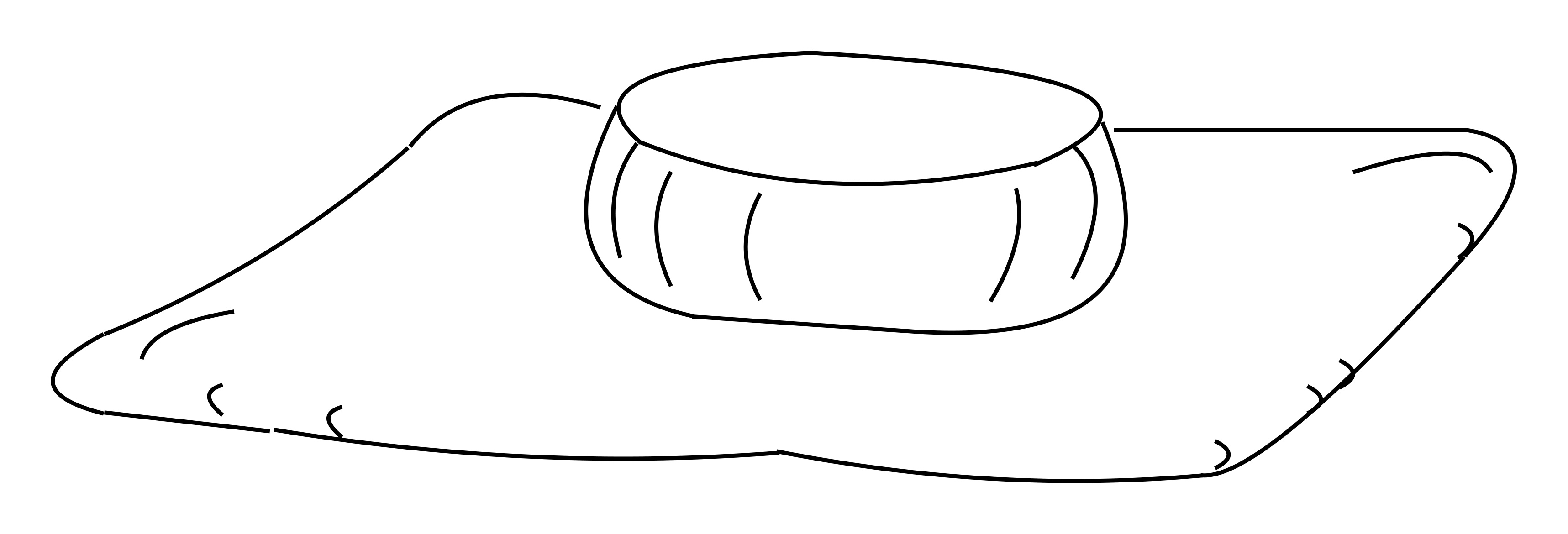
At home, make a space where you can sit comfortably. A chair or sofa or a meditation cushion or bench are all fine.
We are doing zazen (za 坐 "sitting", zen 禅 "meditation") which means sitting meditation, or "just sitting".
As the practice of "just sitting" matures, goals are dropped, and the meditation folds into a sense of presence.
This is called shikantaza (shi 只 "only", kan 管 "attend to", ta 打 "the act of", za 坐 "sitting"). It is attentive, fully-engaged "just sitting."
Body and mind "just sitting" together. And all of us doing this together. This is friendly zen!
A saying
“You should meditate for 20 minutes a day. Unless you are too busy. Then you should meditate for an hour a day.” - A Zen Master
Instructions
- As you enter your meditation space, give yourself permission to leave your concerns at the door for a period of time. You can go back to them after.
- Check in with your breath and body. Take a few moments to slow down, settle in, and arrive.
- Just sit. Try 5 minutes. Try 20 minutes.
- Check in with your breath and body. Take a moment to stretch and prepare your body to stand.
- That’s it. Well done!
Student-Teacher Relationship
The student-teacher relationship is an important aspect of traditional Zen practice. It has two sides to it: One is as a means of practical guidance that allows students to clarify aspects of practice and how it applies in their everyday life. The other is as a means of conveying the essence of Zen, the heart of Zen, which can't really be described in words and is more like a mutual recognition of that which is already present.Engaging in a student-teacher relationship typically involves regular meetings with the teacher (e.g., fortnightly, monthly), making a sincere effort to maintain a regular mediation practice, and likely doing some reading that accords with your natural spiritual inclinations.
It requires a commitment to contemplative practice (which might feel more like an unnameable drive from within) and a desire to discover where this leads. And, when all is said and done, discovering "the way" turns out to be nothing other than allowing the very best in yourself to shine.